Contents
- 0.1 RelatedPosts
- 0.2 The Paradox of Life at Death’s Edge: The Gift of Perspective and Lessons from Near-Death Experiences
- 0.3 The Sumerians: Humanity’s First Blueprint for Civilization
- 0.4 Femininity, Feminism & Female Empowerment: Untangling the Threads
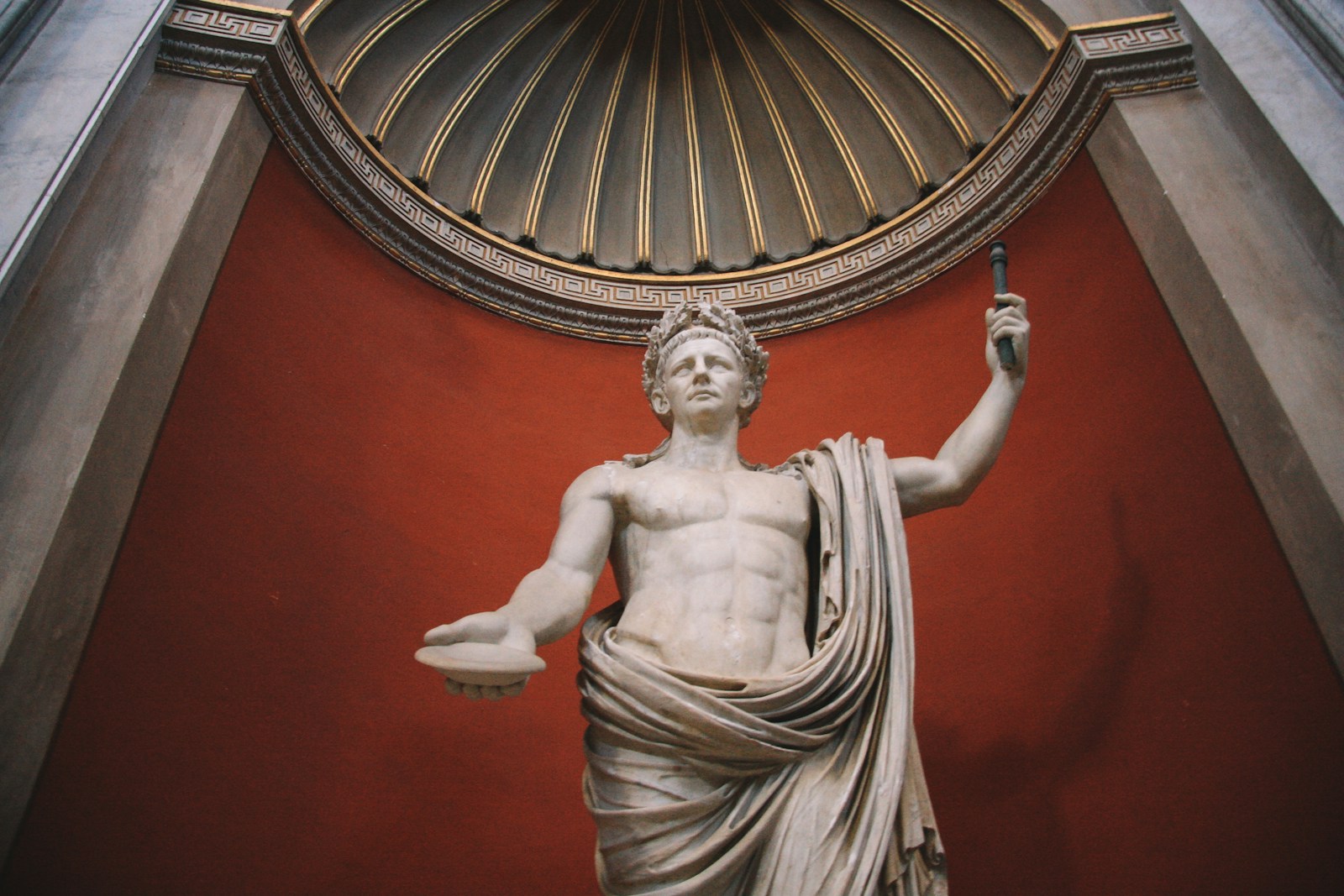
- 1 The Roman Empire as a Psychological Object
- 2 Drama, Intensity, and the Nervous System
- 3 From Rome to Addiction and Cigarettes: The Same Loop in Different Forms
- 4 What Addicted to Drama Really Argues
- 5 Addiction as a Survival Strategy, Not a Moral Failure
- 6 How These Ideas Can Help People Recover
- 7 Why Rome Eventually Fades
- 8 The Quiet Conclusion
- 9 References
A strange question escaped the algorithm and wandered into real life: How often do men think about the Roman Empire?
What began as a TikTok joke quickly turned into something closer to a cultural mirror. Women asked their partners, brothers, and friends the question, expecting confusion or laughter. Instead, many got startlingly confident answers: daily, weekly, often. Sometimes unprompted explanations followed. Battles. Engineering. Discipline. Stoicism. Collapse. Greatness.
From this angle, addiction is not indulgence. It is misfiring self-care.
The internet did what it always does—turned it into a punchline. Men, apparently, were obsessing over marble statues and legionnaires while the rest of the world worried about rent and climate change.
But beneath the humor sat a more interesting problem. Why this symbol? Why did it stick so reliably? Why did it feel familiar rather than absurd?
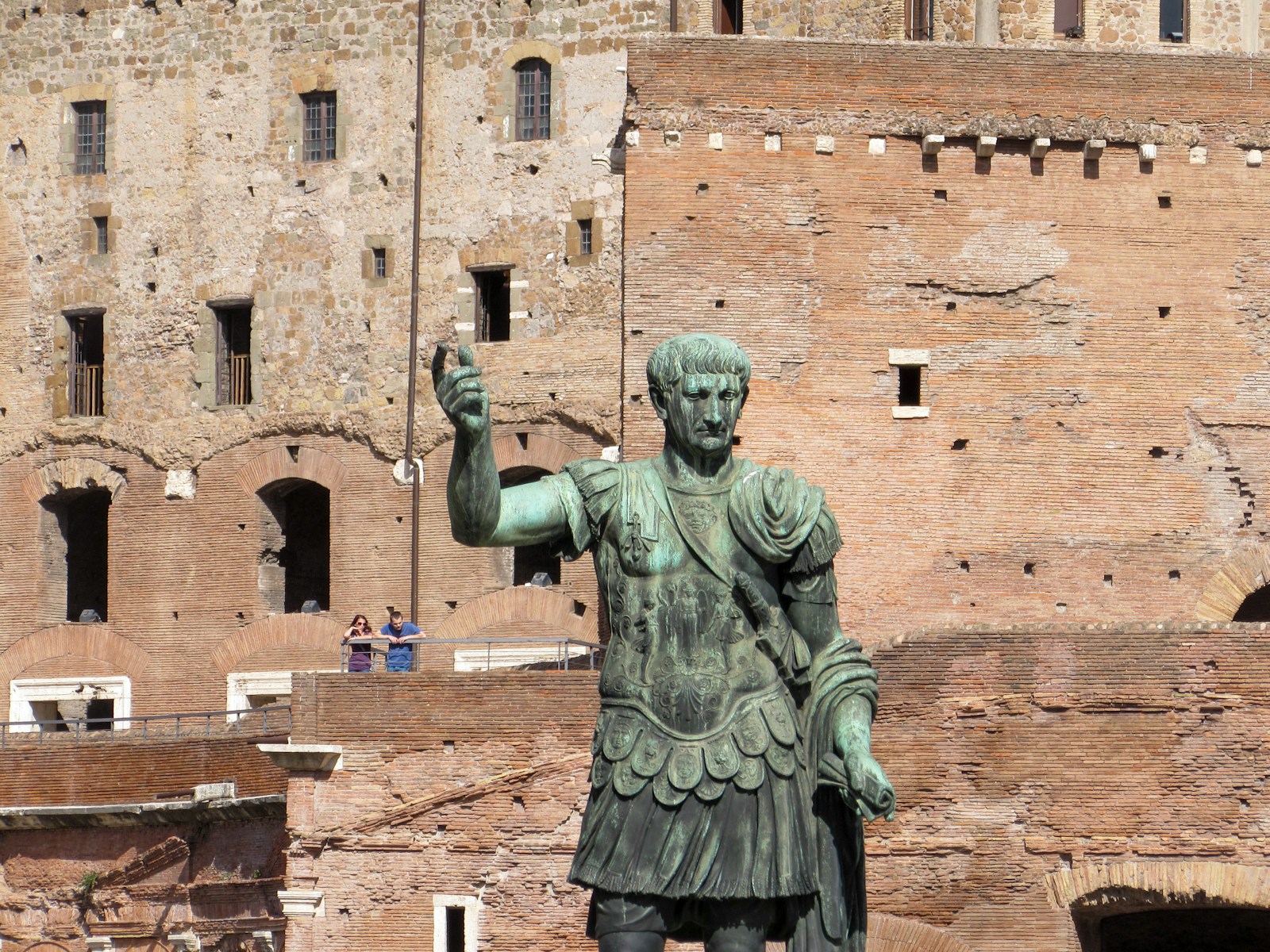
Psychologist Scott Lyons saw the #trend not as a historical curiosity but as a neurological one (Source: Fortune). The Roman Empire, in his view, wasn’t the point. It was the container. And the same mental machinery that makes Rome oddly magnetic also fuels addiction, drama, and our modern dependence on stimulation.
To understand the #Tiktok trend—and what it reveals about addiction—we have to talk less about history and more about how the nervous system learns to survive.
Featured: Secure Your Digital Life with SurfShark ONE: Start Your Free Trial Today!
Discover the power of SurfShark ONE, your all-in-one digital security suite!
With our advanced VPN, antivirus, and privacy protection tools, you can browse the internet safely and securely. Enjoy lightning-fast speeds, unblock geo-restricted content, and protect your personal data from cyber threats. Plus, our easy-to-use interface ensures you’re protected with just a few clicks. Don’t compromise on your online safety—take control today!
Try SurfShark ONE now and experience unparalleled security and peace of mind. Click the link below to start your free trial and surf the web with confidence!
Get Started with SurfShark ONE
We may earn a commission when you make a purchase.
The Roman Empire as a Psychological Object
Most people who say they think about the Roman Empire aren’t thinking about sanitation systems, endemic disease, or a life expectancy hovering around thirty. They aren’t picturing the economic fragility of conquest-based systems or the reality of mass slavery.
They are thinking in images.
The brain does not store the past as a neutral archive. It stores fragments: symbols, emotions, impressions. Over time, those fragments clump together into meaning-bundles. Rome becomes a shorthand for order, strength, endurance, discipline, and permanence. Films, video games, textbooks, myths, and pop culture reinforce the same selective snapshot.
Related: Exploring the Power of Thought: From Brain-Machine Interfaces to Genetics and Aging
What emerges is not history but fantasy—a clean, legible story in a world that feels increasingly chaotic.
From a neurological perspective, this makes perfect sense. The brain is predictive. It looks for patterns that promise safety and coherence. When the present feels fragmented, it reaches backward toward narratives that appear stable, even if that stability is imaginary.
Rome functions as a myth of order. Not because it was orderly, but because it is remembered that way.

Related: What Made Ancient Egypt so Great?
This is why the trend resonates more during periods of uncertainty. Economic instability, social fragmentation, shifting identities, and a constant background hum of crisis all prime the brain to search for something solid. Rome, stripped of its inconvenient realities, becomes an idea you can lean on.
Related: Femininity, Feminism & Female Empowerment: Untangling the Threads
The fascination isn’t about conquest. It’s about relief.
Related: Why I Think About the Roman Empire
Drama, Intensity, and the Nervous System
Scott Lyons’s work focuses on a pattern he calls addiction to drama. The word “drama” is misleading. He doesn’t mean theatrical emotion or attention-seeking behavior. He means something more basic: chronic reliance on heightened states to feel alive, safe, or meaningful.
In Lyons’s framework, many people—often without realizing it—become biologically accustomed to operating under pressure. Their nervous systems calibrate around urgency, intensity, and stimulation. Calm doesn’t feel restful. It feels empty, wrong, or vaguely threatening.
Addiction often fills an identity vacuum.
This adaptation often begins early. Environments marked by unpredictability, emotional suppression, or constant demand teach the body a simple lesson: alertness equals safety. Over time, the system forgets how to downshift.
Recovery, in this model, is not about resistance. It’s about retraining.
The result is a subtle dependency. Not necessarily on substances at first, but on activation itself.
Conflict, crisis, overwork, outrage, fantasy—anything that raises internal volume becomes regulating. When stimulation drops, discomfort rises. The system scrambles to correct it.
Related: Overcoming Burnout: Rediscovering Joy in Your Work
This is where the Roman Empire trend quietly belongs. Thinking about Rome provides intensity without risk. It activates imagination, identity, and narrative meaning without requiring vulnerability. It’s a safe stimulant for a restless nervous system.
The pattern doesn’t stop there.
From Rome to Addiction and Cigarettes: The Same Loop in Different Forms
Lyons’s core argument is that addiction is not primarily about pleasure. It’s about regulation.
Substances work because they reliably shift internal states. Nicotine sharpens focus and creates artificial calm. Caffeine injects urgency and momentum. Alcohol dampens threat and social vigilance. Stimulants manufacture energy when motivation has collapsed.
Related: How to Quit Smoking the Realistic Way
These effects are not accidental. They solve specific nervous-system problems.
Men, in particular, are often socialized to compress emotion rather than process it. Sadness becomes numbness. Anxiety becomes restlessness. Fear becomes irritability. Without tools for emotional regulation, the body improvises.
Substances become external regulators.
The Roman Empire functions in the same way, just more subtly. It offers structure, identity, and meaning on demand. So do ideologies, culture wars, endless productivity, and online conflict. These are not distractions. They are coping mechanisms.

Lyons emphasizes that when people quit substances without retraining their nervous systems, the addiction usually migrates. Cigarettes disappear. Coffee intake explodes. Alcohol fades. Work becomes compulsive. Drama finds a new outlet.
Related: Alcohol Withdrawal and Its Effects
The mistake is thinking the substance is the #addiction.
It isn’t.
The addiction is the dependency on intensity.
Related: The Impact of Social Media on Mental Health: Navigating the Risks and Benefits
What Addicted to Drama Really Argues
Lyons’s book—Addicted to Drama: Healing Dependency on Crisis and Chaos in Yourself and Others—is not a manifesto against chaos. It’s a manual for understanding how people become dependent on states that once helped them survive.
At its center is a provocative claim: many modern problems are not caused by excess emotion, but by underdeveloped capacity for low-intensity states.
Stillness feels unsafe. Boredom feels like danger. Neutrality feels like emptiness. The nervous system, unable to tolerate these states, reaches for stimulation to restore balance.
This reframes addiction entirely. Instead of asking “Why can’t they stop?” Lyons asks “What state are they trying to regulate?”
From this angle, addiction is not indulgence. It is misfiring self-care.
The body learned one strategy and never learned another.
Addiction as a Survival Strategy, Not a Moral Failure
One of the most useful aspects of Lyons’s framework is that it removes shame from the equation. Shame, neurologically speaking, is gasoline on the fire. It raises arousal, tightens the system, and increases the urge to self-soothe.
Lyons treats addiction as a functional response to an environment that did not teach regulation. This doesn’t excuse harm, but it explains persistence.
If a substance or behavior reliably produces relief, the nervous system will defend it. Willpower alone is no match for biology.
This is why insight often fails. People understand their addiction intellectually while remaining trapped physiologically. The body hasn’t learned an alternative.
Recovery, in this model, is not about resistance. It’s about retraining.
How These Ideas Can Help People Recover
Applied practically, Lyons’s approach shifts the goal of recovery from abstinence to capacity.
The first step is expanding tolerance for low-intensity states. This is unglamorous work. Quiet walks without headphones. Sitting without stimulation. Doing one thing at a time. The objective is not relaxation but non-panic.
The nervous system must learn that nothing bad happens when stimulation drops.
The second step is redirecting activation rather than eliminating it. Addicted systems still need intensity. Physical training, skill acquisition, creative work, and structured challenges provide activation without chemical debt. This keeps the system engaged while lowering harm.
The third step is separating sensation from action. Restlessness does not require a cigarette. Flatness does not require caffeine. Anxiety does not require alcohol. Learning to feel a sensation crest and fall without immediate action retrains the brain’s predictive model.
Related: Fighting Anxiety and How to Live an Anxiety-Free Life
Another crucial element is identity. Addiction often fills an identity vacuum. Rome works because it offers a story about strength and endurance. Recovery accelerates when people build identities rooted in process rather than outcome—builder, learner, caretaker, craftsman. These identities generate meaning without constant stimulation.
Related: The Hidden Messages in the Barbie Movie: Critical Gender Issues We Can’t Ignore
Lyons also normalizes substitution during recovery. Early phases often involve over-correction—excessive exercise, work obsession, caffeine spikes. Rather than treating this as failure, he treats it as scaffolding. Regulation improves first. Intensity can be dialed down later.
Most importantly, Lyons emphasizes safety in the body. Slow breathing, rhythmic movement, consistent sleep, and predictable routines sound boring because they are. They are also neurologically powerful. They teach the body that regulation is internal, not outsourced.
Why Rome Eventually Fades
In this framework, the Roman Empire trend stops being mysterious.
Rome captivates when meaning is scarce.
Drama captivates when stillness feels unsafe.
Substances captivate when regulation is externalized.
As capacity increases, these crutches lose their grip. Not through force, but through irrelevance.
People don’t stop thinking about Rome because they’re corrected. They stop because their nervous systems no longer need symbolic order to feel grounded.
Addiction fades the same way. Not because temptation disappears, but because the body learns new defaults.
The Quiet Conclusion
The #RomanEmpire was never the story. It was a signal.
A signal that many people are starving for structure, meaning, and regulated intensity in a world that provides endless stimulation but very little grounding.
Scott Lyons’s work offers a lens that connects cultural trends, addiction, and modern restlessness into a single pattern. The solution he gestures toward is not heroic transformation, but patient retraining. Teaching the body that calm is survivable. Teaching the mind that meaning does not require crisis.
The strange truth is that recovery looks less like conquest and more like endurance. Less like empire and more like capacity.

And once the nervous system learns that it can exist without being constantly activated, the marble statues can finally return to history—where they belong.
References
Fortune – “Why Men Are Obsessed With the Roman Empire, According to Psychology”
Lyons, Scott. Addicted to Drama: Healing Dependency on Crisis and Chaos in Yourself and Others
Contemporary neuroscience research on nervous system regulation and addiction
This article has been written with the help of A.I. for topic research and formulation.
More from Mania Africa:
 Why I Think About the Roman Empire
  The Sumerians: Humanity’s First Blueprint for Civilization
  The Lost City of Stone: Petra – A Testament to Ancient Ingenuity
  What are Vibes and Why You Should Catch a Vibe
  Amana: The First City on Mars
  How to Quit Smoking the Realistic Way
  What are Terminal Days and Why You Need Them Urgently
  Overcoming Burnout: Rediscovering Joy in Your Work